Grow, gather, fish and hunt good food

  • About me and how to be self sufficient
  • Hunting Food
  • Fishing for food
  • Self sufficiency
  • Recipes
  • Subscribe
  • Contact
  • FAQ
menu icon
go to homepage
  • About me and how to be self sufficient
  • Hunting Food
  • Fishing for food
  • Self sufficiency
  • Recipes
  • Subscribe
  • Contact
  • FAQ
search icon
Homepage link
  • About me and how to be self sufficient
  • Hunting Food
  • Fishing for food
  • Self sufficiency
  • Recipes
  • Subscribe
  • Contact
  • FAQ
×
Home

Homestead in winter

July 5, 2022 by cremneblad

Home

Estimated reading time: 7 minutes

Homesteading in winter can seem a bit more challenging and less rewarding then the other seasons when you live in a cold climate.

However we always have a good amount of our own food to eat all winter.

As long as you have been organized in summer and autumn with storing, preserving, freezing and drying homegrown food you should have enough of your own food in storage and freezer.

Freshly harvested autumn vegetables on a white kitchen bench
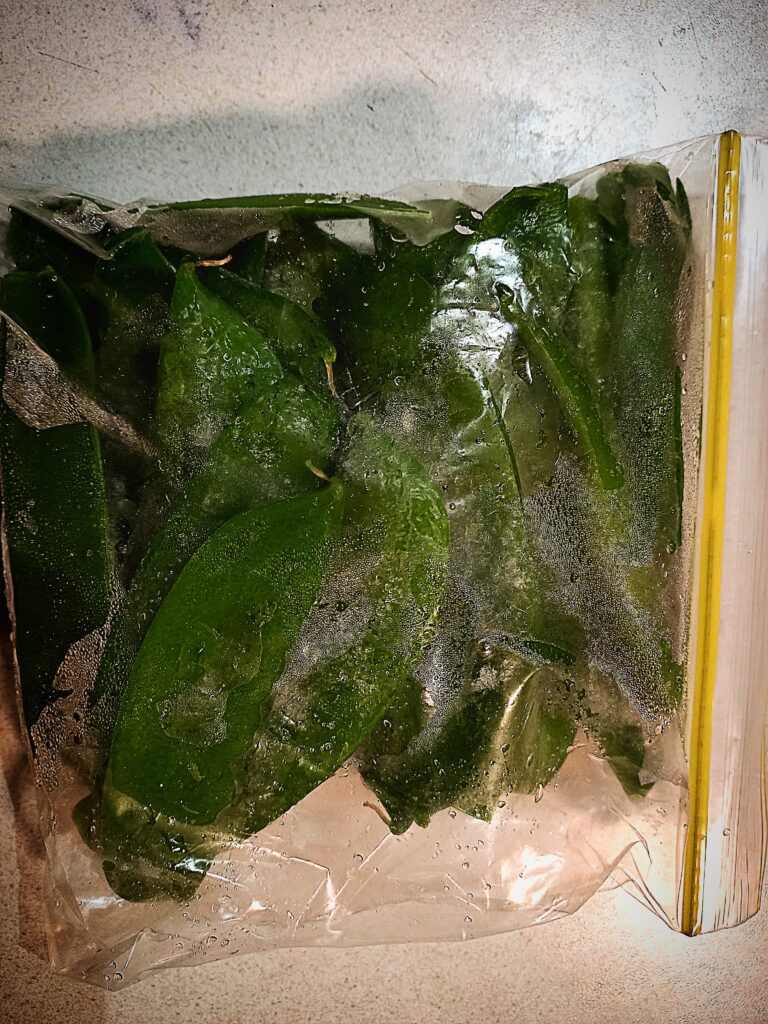
A zip lock bag with frozen snow peas inside
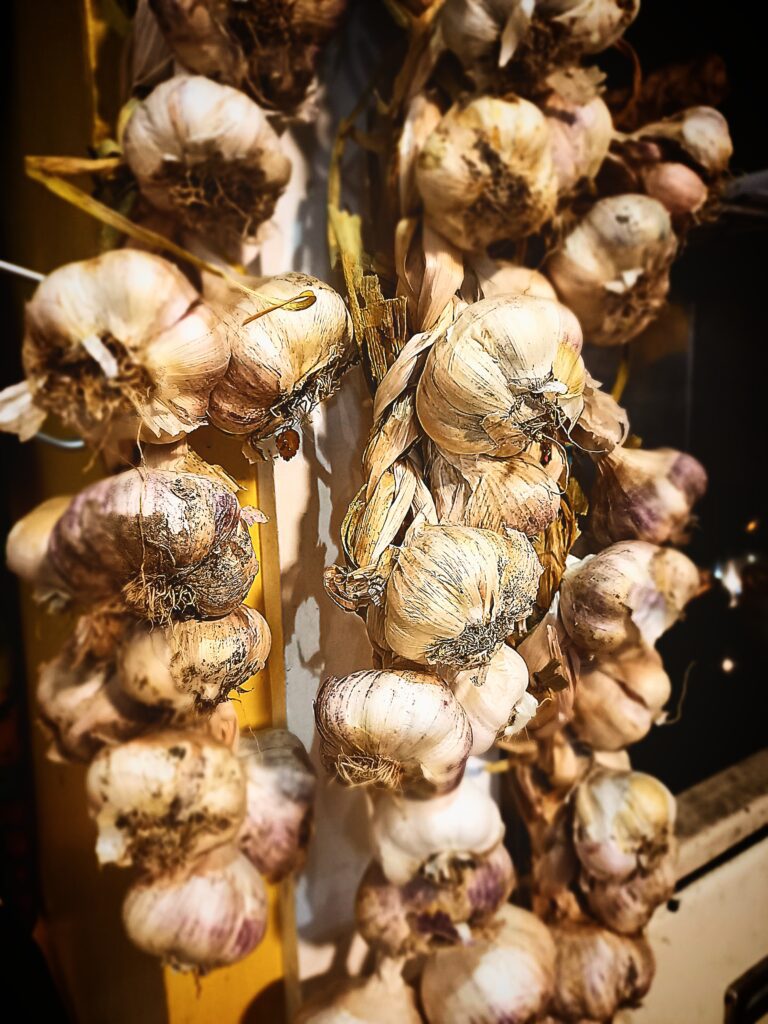
garlic hanging and storing for winter

Fresh produce

We have a good amount of fresh produce growing in winter as well.

I plant a selection of hearty greens late summer and cover the area with a heavy duty garden cover, that way I still have some fresh greens to pick in my garden.

Green vegetables available in my winter garden are kale (both curly and green), silver beet, bok choi, wombok cabbage, spinach and herbs (coriander, thyme,rosemary).

Green vegetables growing in a garden bed
winter vegetable garden
Green vegetables growing under a gardden frost cover

Plant protection blanket

A plant Cover Freeze Protection Blanket is truly amazing! It provides protection from frost, wind, snow, hail and low temperature in winter.

Keeps your plants warm, works perfect for fast germination and seedlings growth. It extends the growing season for your plants.

I have had hard frost and really cold temperatures as well as a couple of days with a layer of snow sitting on top of the frost cover. Besides all of that the vegetables underneath have not been effected at all. Even fresh coriander and bok choi is looking great still. It creates a little micro climate underneath.

Winter garden bed covered up with frost cloth and snow on top
bok choi and coriande growing in a garden bed

The vegetables are not growing bigger this time a year but they are surviving and feeding us through the winter. That is amazing!

oyster mushrooms growing from growing bags

I grow oyster mushrooms indoors and they produce all year around.

It's nice to have fresh gourmet produce growing in winter as well.

Plant garlic

Planting garlic is one of the main winter tasks at my homestead. We plant a large crop so this is a fairly big job. I try to do it in the middle of winter, on the shortest day of the year or close to it.

I just separate the cloves from a garlic head and put the clove in the ground pointy side up. 

I always use my homegrown garlic to plant again.

It’s a very good strain. To get big, good quality garlic heads we need to use the biggest cloves for planting.

I pick out my best and biggest cloves to replant.

Garlic cloves planted in holes in a garden bed and a wooden plank between the rows

First I make rows in the garden bed, then I make holes with a pole around 5cm deep and 15cm apart from each other.

Then place the cloves with the pointy end up in the holes that I made.

I cover the holes back up, then put a generous amount of mulch on top of the garlic bed. I use straw as mulch. The garlic seem to do well under the straw and they don’t mind a thick layer.

The straw keeps the weeds out and I hardly need to weed at all, just watch them grow.

Garlic is fun to grow because they germinate surprisingly fast so you see the progress quickly and they’re very low maintenance.

Garlic starting to grow in my winter garden
Garlic growing outside in a garden bed with a wooden fence around it

Birds and other animals leave it alone as well so there is no need to cover up with netting or any other barriers. 

You can read my full garlic growing guide here

In winter we do a lot of maintenance and changes to the garden beds as well as preparing them for spring planting season. 

Preparing garden beds

2 Hens digging in my garden bed. A wooden fence around the garden bed

I prepare my garden beds for spring planting season by adding compost, lime and turning the soil over. 

Meat

Autumn is the main hunting season here so we have a good amount of wild meat stocked up in the freezer. Winter can still bring good hunting opportunities as well so we can eat well all through winter!

Read more about hunting for food here

3 deer legs with skin on hanging up in a cool room
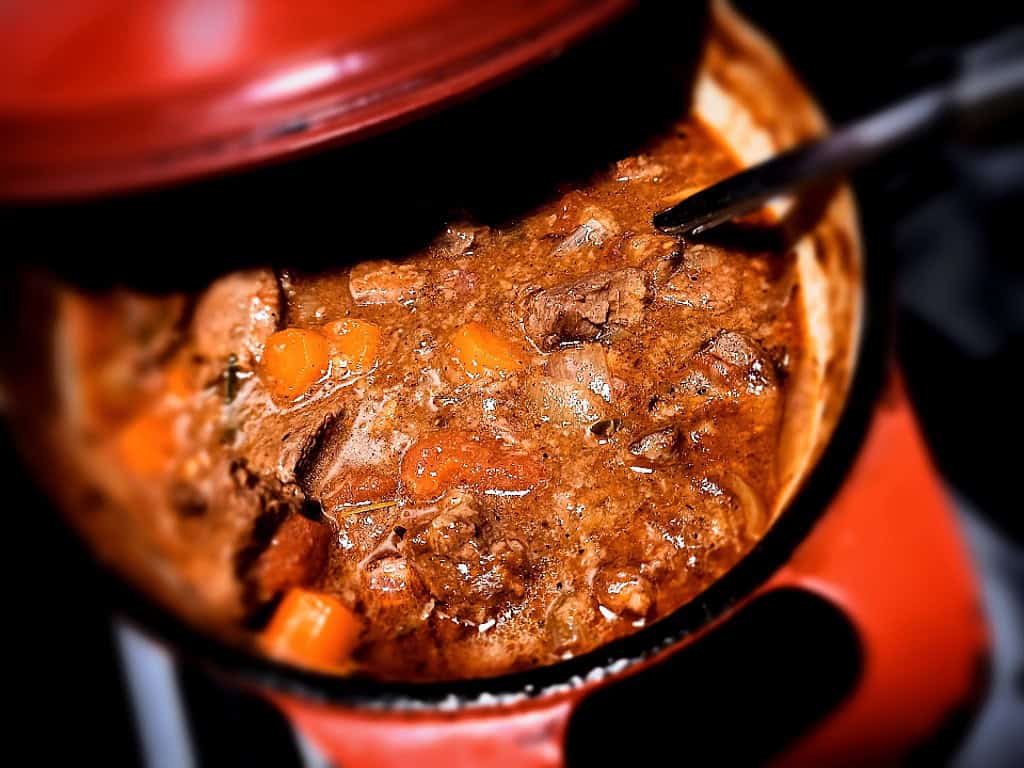
venison stew in a red dutch oven with a ladle in it

Try this venison stew recipe. A great winter warmer.

I have oyster mushrooms in my indoor growing room, root vegetables and pumpkin in storage, homegrown vegetables in the freezer as well as some winter greens in my garden.

Even though winter is more challenging and less fresh vegetables growing, we have enough of our own food to eat all winter. If you can be self sufficient in winter, then you can do it all year around.

Check the links below for ways to be self sufficient in the other seasons. What I do and what they bring.

spring

summer

autumn

You may also like to read
  • Planting equipment and plants for my early veggie garden.
  • Spring is on its way and I extended my vege growing season
  • Raising animals for food
  • Home grown food
  • Recipes

Ways to be self sufficient, Autumn

July 5, 2022 by cremneblad

Home

Estimated reading time: 9 minutes

Autumn is a busy time of the year planning and preparing for winter.

Making sure I have homegrown and wild food stored away and frozen to enjoy in winter are essential steps to self sufficient living.

Make the most of your homegrown vegetables and find the best methods to store and preserve them for winter. Freeze, pickling, store and make preserves are my main ways to be self sufficient with homegrown vegetables all year around.

Vegetable garden

In autumn when my summer vegetable plants have stopped producing and died off, I pull them out and keep any seeds for replanting next season.

dill seed crown
rocket seeds in a black plastic tub
pumpkin seeds on a white bench top

I planted more hearty greens in late summer which are producing in late-autumn and even in winter.

It's great to have fresh greens again this late in the season.

I planted fast growing, hearty greens so they would be ready before it gets too cold. I cover the plants with a frost cloth to keep the warmth in and the frost out. It works really well and provides a self sustaining garden that produces fresh green vegetables all year around.

vegetables growing under a frost cloth

Fresh vegetables still growing in my garden in autumn are: lettuce, coriander, bok choi, wombok cabbage, kale, spinach, pumpkin and broccoli side shooter.

Autumn vegetable garden. A black dog in the right hand top corner of the garden bed.
Freshly harvested autumn vegetables on a white kitchen bench

Storing and preserving

Preserving as much as you can in autumn and put your root vegetables in storage for winter is important for self-sufficient living.

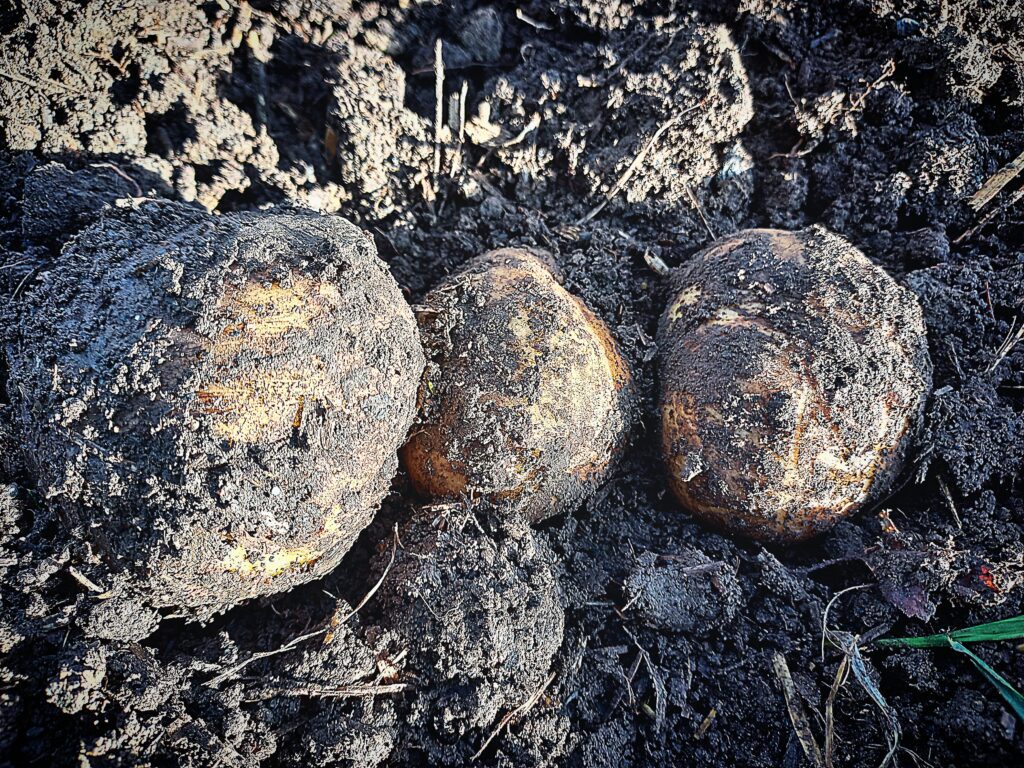
3 potatoes on top of garden soil

It's best to dig the root vegetables up before the ground gets too wet as they don’t store well and might get moldy if the soil is wet.

Place your root vegetables in crates with newspaper on top and bottom. Don’t wash them or remove the dirt. Keep them in a dark cool place with good air circulation. They keep pretty well (a couple of months) especially the potatoes.

If you notice that they start to go soft and won't keep well for much longer then you can make batches of soup with them and freeze it.

3 parsnips digged up from the garden

Carrots can be blanched and frozen or made into hummus and chutney. Beetroot can be pickled. I try not to let anything go to waste. It’s a pretty busy time of the year. 

Apples

I pick fruits like apples and pears and preserve them. Either freeze them or make sauce and chutneys out of them.

A large green crate full of green and red apples

I don’t have any fruit trees myself but there is a lot of wild apple trees around where I live. I can just stop on the side of the road and pick from them.

Apples and pears can be frozen very easily and then used in baking for the rest of the year.

They can be peeled and cut then frozen raw in freezer bags or made in to apple sauce then frozen.

The apple sauce is a great accompaniment for roast pork and great in baking too.

An apple slicer cored and cut an apple into 8 slices
Apple slices in a large square sauce pan ready to cook for apple sauce compote
Apple slices ready to cook for apple sauce
Applesauce compote cooking in a large square sauce pan. A wooden spoon stirring the sauce
Applesauce cooking

Tomatoes

When the tomatoes has stopped ripening, I pick all the green tomatoes and make jam and chutney.

Making an easy tomato chutney is a great way to use up your green tomatoes and make them last all year long.

When storing it in sterilized jars they last for a long time. At least one year until it´s time to do a new batch.

I leave the jars in an outside cupboard where it’s dark and cool. I only store them in the fridge once they are opened. 

A tomato plant with green cherry tomatoes outside
Green cherry tomatoes
2 jars of homemade green tomato chutney
Two jars of green tomato and chilli chutney

Foraging

Autumn is the time of the year for wild mushrooms in the paddocks, garden and parks.

Field mushrooms mainly grow in the paddocks. They are best picked and cooked fresh.

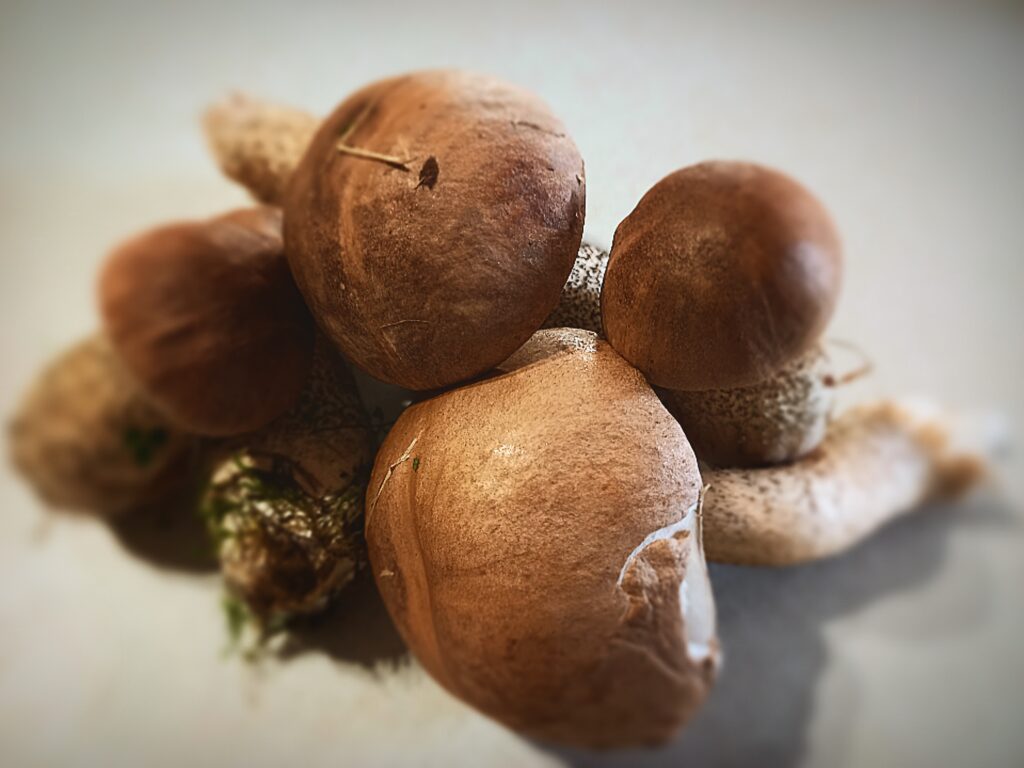
freshly picked porcini mushrooms on a white kitchen bench

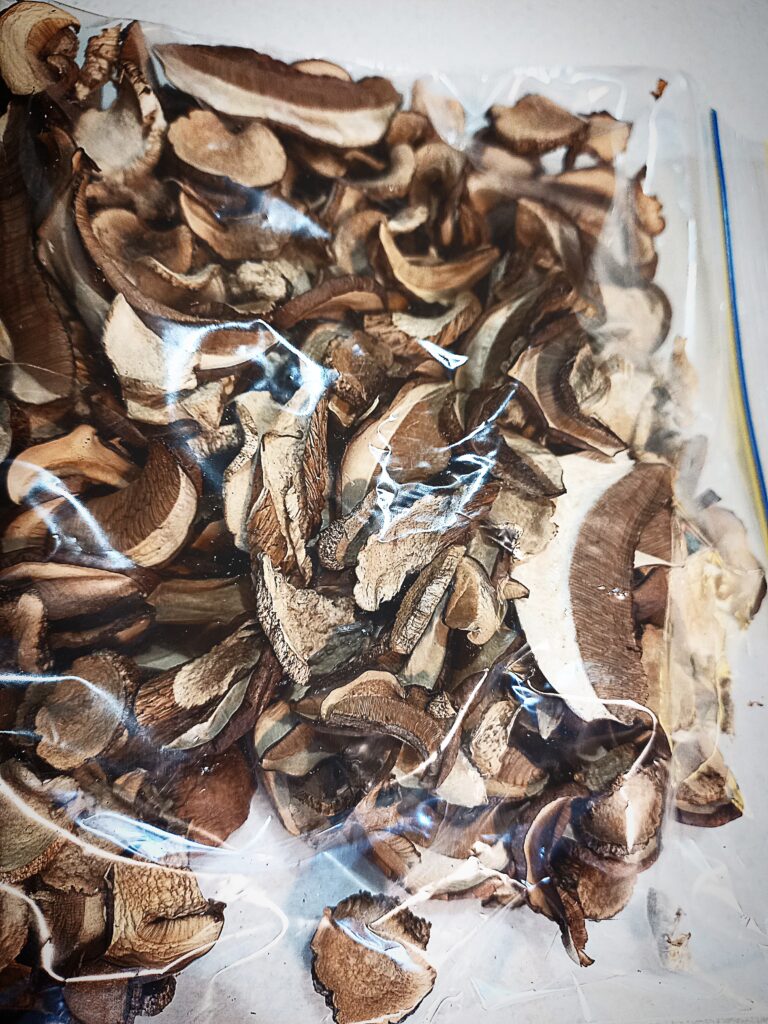
Birch bolete mushrooms mainly grow in the garden and parks, I prefer to slice them thin, dry and store them in zip lock bags in the cupboard.

They store really well for at least one year if I dry them properly. Once dried they are easily added to soups, stews and sauces. I prefer the flavor and texture when dried first. The flavor tends to intensify and the texture is firmer.

dried, sliced porcini mushrooms in a zip lock bag

That’s the only two wild mushrooms I pick in New Zealand. There are a few more edible varieties but it’s the only two types that I feel confident to identify, and they are delicious to eat.

Hunting

Autumn is an important time of the year for hunting.

It's deer hunting season as well as duck shooting season so there is plenty of food around in Autumn. 

Read more on my Hunting Food page.

Shot deer on the forest floor. A rifle laying on top of it
Ducks being plucked on a table
Plucking ducks

Try my venison mushroom stew and venison schnitzel recipe. Or this roasted wild duck.

venison stew in a red dutch oven with a ladle in it
Venison, mushroom stew in dutch oven
venison schnitzel with roasted potatoes and rosemary sprigs
venison schnitzel
3 roasted wild duck on an oven rack
Roasted wild duck

Read my tips and favorite ways to cook venison here

Check the links below for ways to be self sufficient in the other seasons. What I do and what they bring.

winter

spring

summer

You may also like to read:
  • Homegrown food
  • Raising animals for food
  • Gather wild food
  • methods of food storage and preserving
  • Recipes

Self sustainable living, Summer

July 5, 2022 by cremneblad

Home

Estimated reading time: 10 minutes

When being self sufficient we naturally eat seasonally, fresh and local. All seasons has something new and delicious to offer.

Self sustainable living in summer is easy with so many amazing choices available.

[feast_advanced_jump_to]
small colourful tomatoes in a blue bowl on a wooden table and a flower vase next to it

Vegetable garden

Summer is the most rewarding time in the garden with the biggest variety of vegetables to consume.

This is when all the hard work of being self sufficient are paying off.

We can enjoy a wide range of fresh home grown vegetables everyday.

It's still a bit of upkeep to do in the garden. Tomatoes need trimming, weeding, harvesting crop before it goes to seed. Then replanting again for a late crop.  

If there is too much of a crop and we can't consume it all before it goes bad then I think of ways to preserve them for winter when not much fresh vegetables are available.  

For more information on storing and preserving food click here

Ways to preserve vegetables

I freeze as much as possible when I have excess of it. That way I can enjoy homegrown vegetables in winter when it's not much fresh vegetables growing.

Broccoli, beans, cauliflower, snow peas, peas and zucchini all freeze very well. Even cherry tomatoes freeze well. Frozen cherry tomatoes are great for sauces and stews

Cherry tomatoes and zucchini I freeze raw and put in freezer bags. All the other veg I mentioned I quickly blanch before freezing them. These are very handy to have on hand in winter and reheat very well.

A zip lock bag with frozen snow peas inside

Dill also freezes well. Other herbs like parsley, basil or rocket I make into pesto or other pastes. That way I can keep them in a jar for months and use a spoon when needed. Coriander I make into a green salsa that can be jarred or frozen.

2 jars of homemade green tomato chutney

Its important when becoming self sufficient to be able to store, freeze and preserve different foods when there is excess of it.

That's what fills the gap in the low harvest periods

I also tend to barter my vegetables with friends who have excess of a different crop to me. That way we don’t get bored of eating the same thing every day. 

Garlic

Harvest, drying and storing garlic   

In the middle of summer, it's also time to harvest clean and hang garlic. The general rule is to harvest it around 6 months after it was planted and it should be planted in winter and harvested in summer.

Garlic growing outside in a garden bed with a wooden fence around it

We grow a big crop of garlic

around 1000 head so the harvest is a fairly big job. Then we need to look after it so it lasts us until next year so we never have to buy garlic. 

If you have the space to plant big crops of things that can be stored for a long time. That is a great step towards being more self sufficient

garlic hanging and storing for winter

The garlic should be harvested when the soil it grows in is really dry to prevent them from going moldy when in storage. You can read my full garlic growing guide here

Cleaning and drying garlic after harvest.

After the garlic has been harvested,

we leave it to dry in crates for a few days to a week somewhere shady with airflow so the dirt on the outside is really dry and crumbles or falls off easily.

Then I brush the outside clean with a nail brush and cut the long, thin string like roots off so they are really short.

I hang them in bunches upside down from the green stalks for a couple of weeks until the green stalks are totally dried.

Storing garlic

Then I can cut the stalks off to really short stumps and store the garlic in a cool, dark, breezy spot and use as needed. It keeps really well for about 6 months like this.

Many garlic heads in a red crate
garlic puree

The rest of the garlic I turn into puree and freeze it. 

I just peel and chop it fine in the food processor with enough olive oil to cover it all.

Pour the chopped garlic in zip lock bags and freeze it in small to medium size batches. That way I can just defrost a bag at a time and use a spoonful in the cooking when needed.

I also mix some of the pureed garlic with soft butter and chopped parsley. Roll it in cling film like a log then freeze the butter log. Then I have garlic butter available when I need it.

The first 6 months of the year I use fresh garlic in my cooking and the last 6 months of the year I use garlic puree or garlic butter. 

puree of garlic

Wild food

Self-reliant living includes what and how we eat. There are several different options when it comes to sourcing our food ingredients. Foraging and gathering your own wild plants to consume is one of the most natural thing we can do and great for self sustainable living. Many plants that grow wild are highly nutritious with medicinal benefits and just more healthy.

Do research and find out what wild foods are available where you are.

Be sure to only pick edible foods.

Some of my best childhood memories involves foraging and gathering food with my family and I love creating the same experiences for my children. Many wild plants are not ready to pick until autumn. The main wild plants that I forage for in summer in New Zealand are watercress, stinging nettle and blackberries

Watercress

Watercress can be found in many freshwater creeks in New Zealand.

watercress

The bright green leaves are lovely, peppery and fresh. They will add a nice flavor burst to the meal as well as a nutrition boost. Watercress is classified as a super food. It is high in antioxidant and pairs well with any wild meat or seafood.

Stinging nettles

There are plenty of stinging nettles in the paddocks in summer that can be made into delicious soups, tarts or sauces.

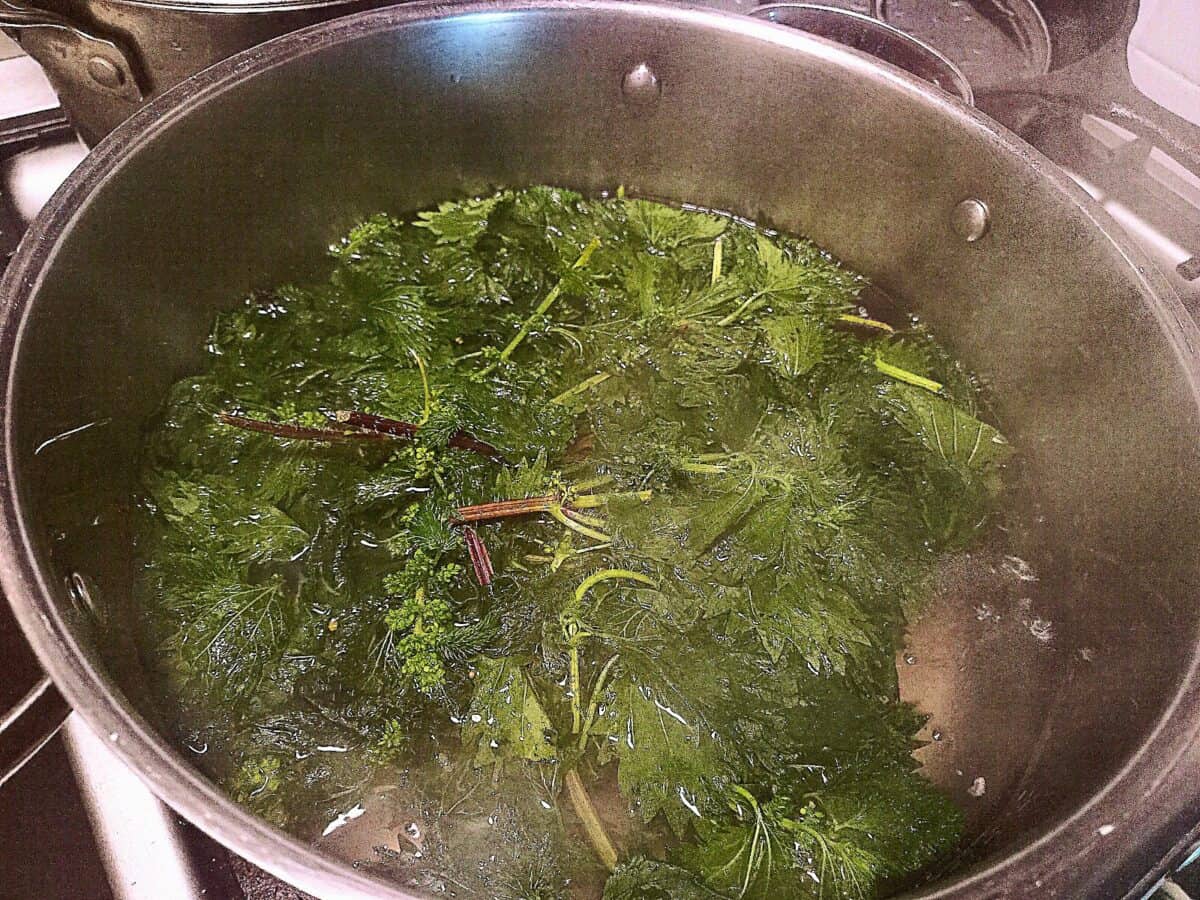
They can also be blanched and frozen then easily added to a soup or pasta dish. (Stinging nettle is extremely nutritious and tasty) so I love using them. 

Wild stinging nettles growing
stinging nettles cooking in a pot of water
Cooking nettles
cooked stinging nettles. Leaves picked from the stalks. Cooked leaves in a glass bowl and stalks on a chopping board
Blanched nettles

Try my excellent nettles recipes on this site:

crumbed fish with creamed nettles

Nettles Soup

Blackberry

Blackberry is a scrub weed and can be found growing wild in paddocks, gardens and forests in many parts of New Zealand.

Wild blackberry bush

It's probably the most delicious weed you can eat. I'm lucky to have a few scrubs growing on my property.

Blackberries are great to pick in late summer and autumn. Delicious on their own and can easily be made in to excellent desserts and baking. They freeze really well.

Read more about gathering wild food here

Fishing and harvesting Seafood

Summer is the busiest time for fishing and harvesting seafood from the beach.

Catch and cook fish is a great step towards a self sustainable living

2 trout fish on the grass next to a fishing rod
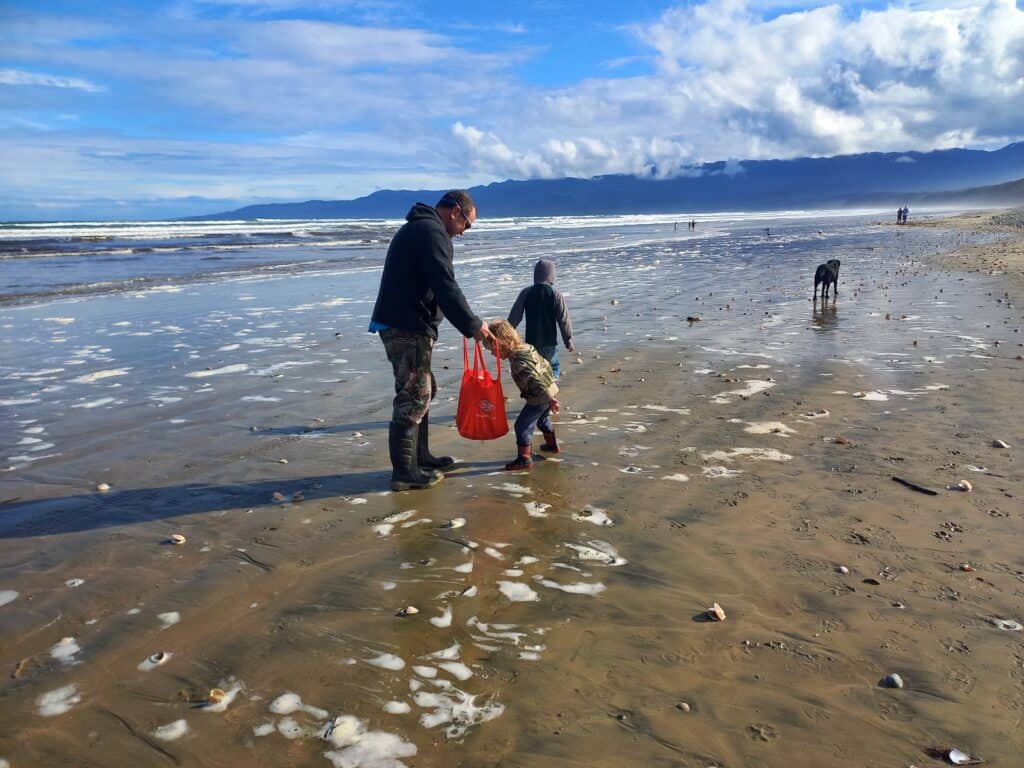
picking shellfish from the beach
steamed clams. The clam shell is opening up

The weather is good and the shellfish is in it's prime condition. Read my seafood harvest guide here

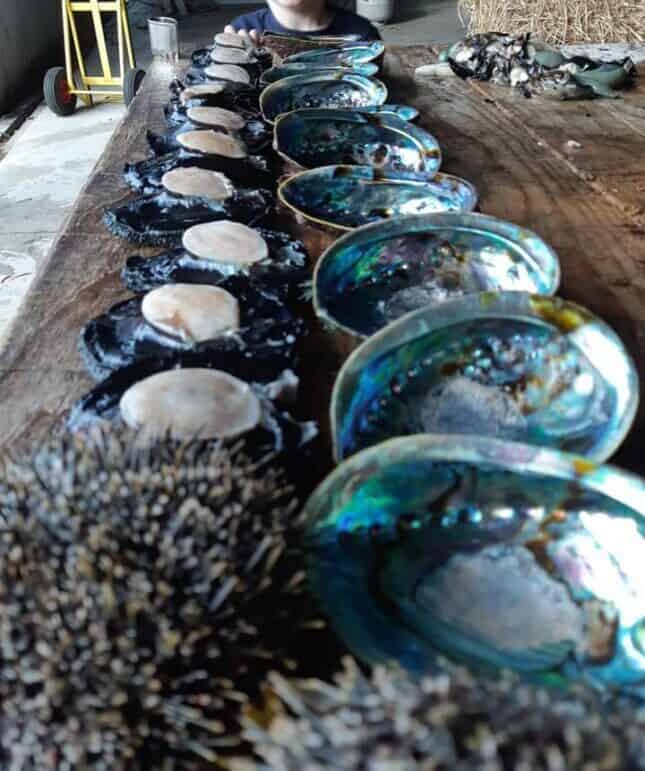
Calmer seas and warmer weather brings more diving opportunities. Summer is the season where I dive and Spearfish the most. Fish and seafood dishes are on the menu much more frequently.

Many paua on a wooden bench
Spagetthi and creamy saffron Paua in a white bowl plate
Two white plates with cooked crayfish on a kitchen bench

Read more on my fishing for food page

The best thing with self sustainable living is all the amazing delicacies that we get to eat all year around. Each season has something fresh and exiting to bring. However summer is hard to beat with all the amazing choices.

Check out the other seasons and what they bring below:

Spring

Autumn

Winter

Self sufficient homesteading - spring

July 5, 2022 by cremneblad

Home

Estimated reading time: 7 minutes

Self sufficient homesteading is a rewarding and natural lifestyle choice. Spring is an exciting and busy time of the year when living self sufficient. It's also very enjoyable and worth all the hard work.

I try to be organized early and I know that the more time and energy I put in to my self sufficient home garden now will pay off very soon.

Preparing the garden beds

I prepare my garden beds in early spring and make them ready for planting. It’s essential that I start my veggie garden early.

2 Hens digging in my garden bed. A wooden fence around the garden bed

First I need to get rid of all the weeds and turn the soil over. Basically I just dig up the top layer of the soil and flip it over. Then I feed the soil what I think it needs. It's usually a mixture of manure and hydrated lime.

I do a soil test. It shows whether my soil is acid, neutral or alkaline. The test also comes with a list of crops and what soil type they prefer. I can feed different areas of the garden accordingly. The areas that I want to be more alkaline I add more lime to and the area that I want to be more acid I add more manure to.

All parts of my garden beds get a sprinkle of neem tree powder or granules. This is a natural way of getting rid of slugs and other bugs that eat the seedlings and eat holes in leafy greens. I have tried neem tree oil as well but much prefer the powder or granules that just get dug in to the soil.

When I've added my nutrients and neem tree powder to the bed I just rake it in and smooth it over with a hard tooth rake.

Hard tooth rake smoothing the garden bed over.

Now I’m ready to plant.

In spring the main focus is on my self sufficient vegetable garden.

It gets easier each year. I'm learning the best selection of plants for my area and set up. I only plant what I know I can grow well.

To guarantee myself an early harvest I need to choose fast growing veggies to plant early in spring and a good frost cover to help the growing process and avoid frost damage on my seedlings

Make a plan for the garden

I draw up a plan of the garden bed, what plants go where and how much space I want to give each item. Then I mark out the different plant's areas with sticks or garden stakes and write notes on the stake with a marker pen. Otherwise, I forget and I do find it helpful.

I decide which plants I will grow from seeds and which ones I will start as seedlings. 

Fast growing plants like lettuce, spinach and soft herbs I do from seeds and the slow growing individual plants I do from bought seedling to speed up the process 

Below is my choice of seeds vs seedlings 

bok choi and coriande growing in a garden bed

Seeds: 

Lettuce, rocket, bok choi, soft herbs, spinach, carrots, parsnip, onions. 

The highlighted ones I never start as seedlings again because I found that they go to seed to fast and I don’t get enough food from them before they over grow. They do so much better from seeds.

Seedlings: 

Tomatoes, cucumber, cabbage, cauliflower, broccoli. 

Either/or: 

Spring onion, leek, kale, silver beet, zucchini, pumpkin, beetroot, wombok cabbage 

seedlings planted in a garden bed underneath a frost cloth

When I put my seeds or seedlings in, I only use half of the marked area, leave the other half free and when the plant is nearly ready to harvest, I put the remaining seeds in (I only use half a pk of seeds to start and save the rest until later.)

With the plants I grow from seedlings I put new seedlings in when the plant is half grown, that way new crop should be ready soon after the first crop has been consumed. 

Self sufficient homesteading means I need to have food growing all the time so good planning is essential.

Protecting the young plants

Once the seeds and seedlings are in I cover the area up with mulch. This helps keep moisture and warmth in and reduces weeds.

In spring my place gets frost occasionally. I cover the area with a frost cloth to protect the plants. The cover also speeds up the growing rate. It creates a micro climate under the cover and the seedlings thrive. It works really well and I can be sure to succeed with an early harvest!

Once it’s consistently warm enough I remove the frost cloth and replace it with bird netting.

vegetable garden bed with frost cloth cover
Colorful lettuce growing in a garden bed with bird net cover

Now is the exciting time to watch the garden grow and progress. I love that!! 

Read more about growing food here

Fishing and harvesting shellfish

Fishing and harvesting shellfish is another focus in spring when living a self sufficient life style.

steamed clams. The clam shell is opening up

Spring is the opening to fishing of most rivers and lakes in New Zealand and it's also the whitebait season. Late spring and summer when the water is warmer is the best time of the year for flounder fishing and the mussels and clams are big and juicy then as well.

Try my clam fritter recipe and my mussels in curry, coconut and lime for simple and tasty ways to cook fresh wild shellfish.

We make the most of the short whitebait season and go out a lot during that time. It's a good family day out and whitebait is a great food source.

It also freezes well which makes it great when living a self sufficient life.

When frozen down fresh in convenient sized packs we can enjoy this highly valued delicacy all year around.

Read more about fishing for food here

Raw whitebait in a bowl and a plastic cup on top. 6 zip lock bags filled with whitebait next to it.

Self sufficient homesteading is a busy but rewarding lifestyle all year around. Check out what I do the other seasons below.

summer

autumn

winter

It’s rewarding in so many ways to be in charge of your food supply and where your food comes from.

Living a self sufficient and sustainable life is healthy and the best way to enjoy food. More flavors and nutrition but best of all free from nasty chemicals and sprays.

I'm happy and proud to feed my family nutritious, organic, free range and delicious food daily.

  • « Previous Page
  • 1
  • 2
  • 3
Me, a female holding homegrown oyster mushrooms in my hands

Hey, I'm Camilla

a qualified chef, hunter gatherer and keen food grower who loves to fish. I started my food blog as a platform to share my recipes and tips on how to become more food self sufficient.

I spent many years cooking food in fancy restaurants but my favorite food that I am the most proud of is the food that I cook at my homestead in rural New Zealand from homegrown or raised, hunted, gathered or caught ingredients.

My recipes are fresh, seasonal, farmhouse style home cooking.

Follow me on facebook and Instagram for new recipes and updates.

More about me
  • Dinner
  • Lunch
  • soup
  • Bread
  • Fish seafood
  • Meat
  • wild food
  • Self sufficiency
  • Dessert
  • sides
  • sauce
  • Pasta

Popular

  • Blueberry baked custard with sliced almonds in a black rectangular baking tray on a marbled bench top.
    Blueberry baked custard
  • Carrot hummus served in a white ramekin topped with two thyme leaves on a white plate. On the plate are seven round crackers, five wholegrain, rectangular crackers and a bunch of fresh herbs. There is a green tea towel underneath the plate.
    Carrot hummus
  • An orange and almond cake dusted with icing sugar and garnished with three swirly orange slices and a small bunch of orange leaves in the center of the cake. Behind the cake is a red ramekin of icing, a white ramekin of roasted almond slices, two orange halves and two white dessert plates with two forks on top. On the right hand side of the cake is a green and white striped tea towel with cake serving cutlery on top.
    Orange and almond cake (gluten free)
  • A banoffee cake with two portions cut out of it and served on two dessert plates in front of it. Two plain dessert plates and two forks behind the cake portions. A green and white striped tea towel with cake serving cutlery on top on the right hand side next to the cake.
    Banoffee cake

Footer

↑ back to top

About

  • Privacy Policy
  • Disclaimer
  • Terms & Conditions
  • Accessibility Policy

Newsletter

  • Sign Up! for emails and updates

Contact

  • Contact
  • Services
  • Media Kit
  • FAQ

As an Amazon Associate I earn from qualifying purchases.

Copyright © 2025 Grafted Pro on the Foodie Pro Theme